
You Don’t Know If It’s Safe to Plant. Brown’s Garden Buddy Does.
Most gardening advice assumes you already know what you’re doing. Zone charts assume you’ve memorized which zone you live in. Planting…
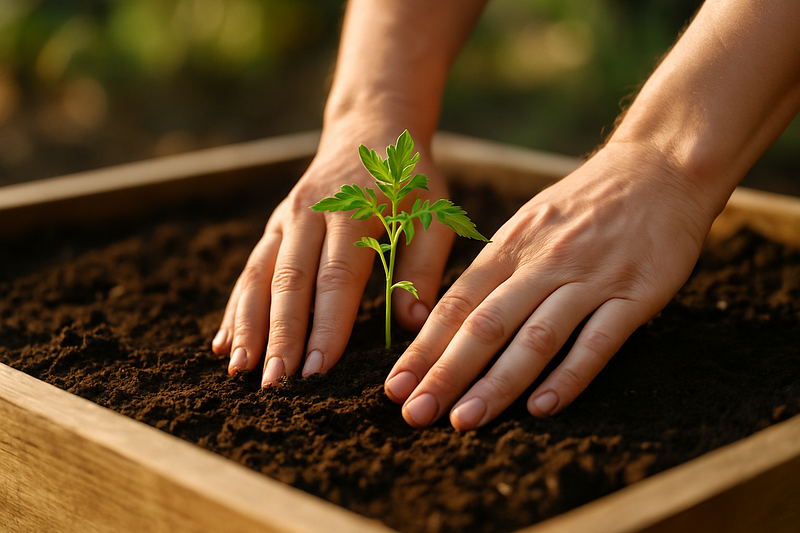
Most gardening advice assumes you already know what you’re doing. Zone charts assume you’ve memorized which zone you live in. Planting calendars assume the weather cooperates with the calendar. Seed packets tell you “plant after last frost” as though last frost is a fixed date printed somewhere in your county.
None of it answers the actual question: can I plant this weekend?
That’s the question Brown’s Garden Buddy was built to answer.
The Problem With Zone-Based Gardening Advice
Hardiness zones are useful at a macro level. They tell you whether a perennial will survive your winter. What they don’t tell you is whether it’s safe to put your basil in the ground this Thursday, in your specific town, given what the forecast looks like for the next seven days.
Basil doesn’t care that you’re in Zone 6b. Basil cares that it’s going to be 38 degrees on Friday night. One cold snap after transplant and you’re starting over.
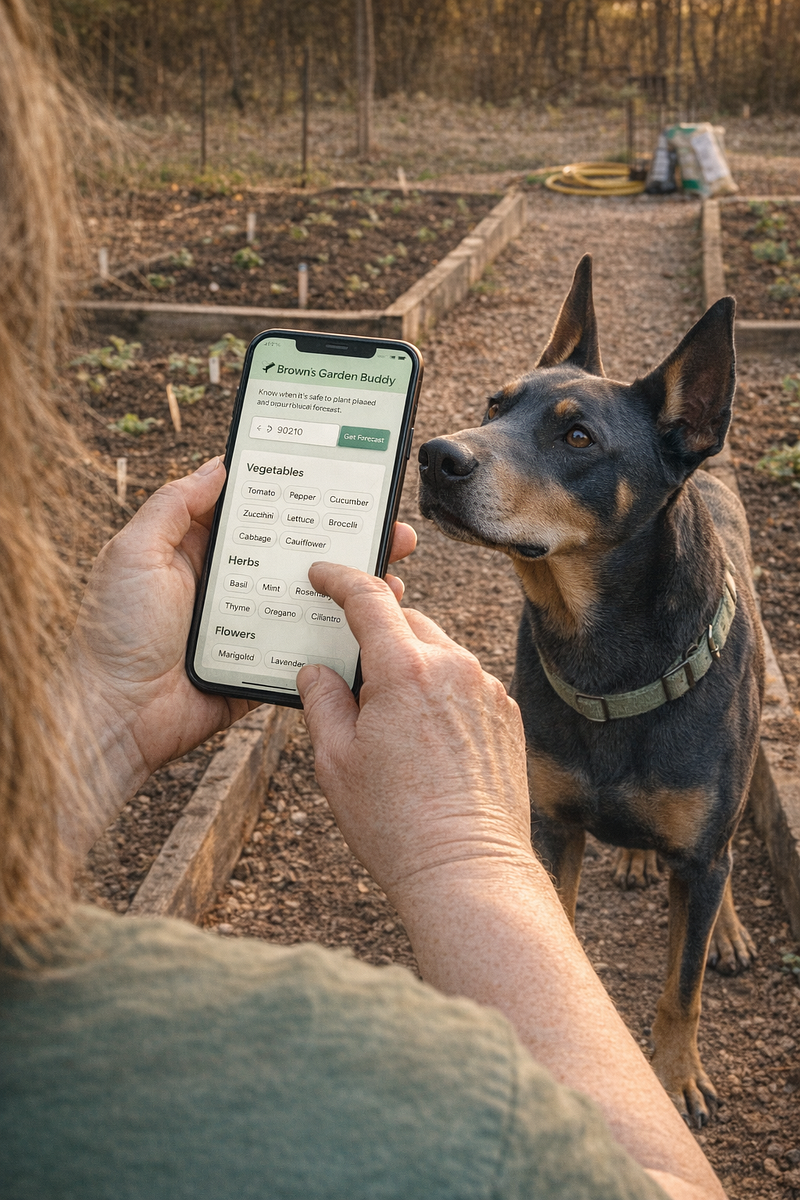
Most gardening tools give you encyclopedic information. Brown’s Garden Buddy gives you a decision. Enter your ZIP code. Select what you’re thinking about planting. Get a seven-day forecast for your exact location alongside a plain-English recommendation for each plant — is it safe, and why.
That’s it. No account. No subscription. No twelve-tab deep dive.
What It Actually Does
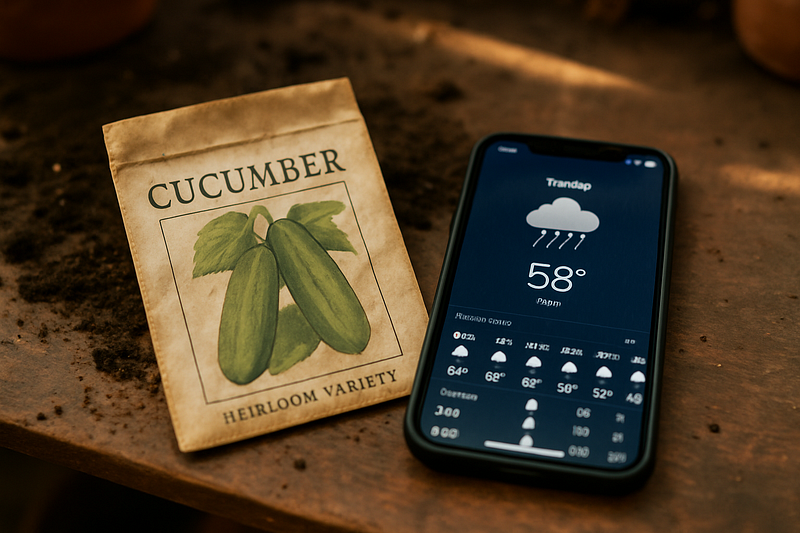
The tool pulls a live weather forecast based on your ZIP code — not regional averages, not historical data, your actual upcoming week. It evaluates each selected plant against that forecast and returns one of two things: a green light with the reasoning, or a caution with what to watch for.
It also includes companion planting guidance — which plants benefit each other, which ones compete, which pairings are worth avoiding. Not as a wall of text. As a scannable reference you can actually use while you’re planning a bed layout.
The plant library covers vegetables, herbs, and flowers. Tomatoes, cucumbers, onions, beets, broccoli, zucchini, lettuce, cauliflower, carrots, green beans. Basil, mint, rosemary, thyme, oregano, cilantro, chives. Marigolds and lavender. More varieties coming.
It runs on a live API. The forecast is real. The recommendations are grounded in actual temperature thresholds for each plant, not generic seasonal advice.
Why This Exists
I built Brown’s Garden Buddy in an afternoon, using the same weather API that powers Sentrya Whole Health — a migraine tracking app I built that correlates forecast data with symptom patterns. Same data source, different application. Instead of asking “what’s the barometric pressure going to do to your head this week,” it asks “what’s the overnight low going to do to your tomato transplants.”
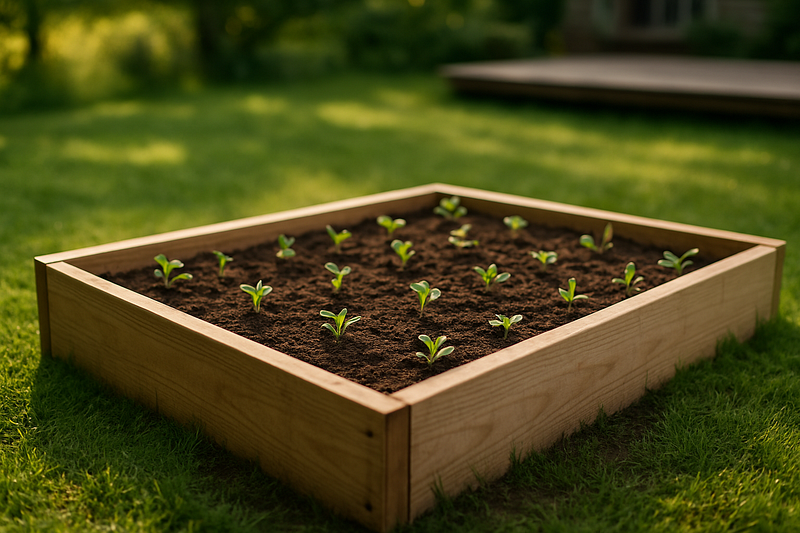
We planted this year’s garden — tomatoes, basil, marigolds, onions, beets, cucumbers, two pots of potatoes — and I wanted something that would give me a clear read on timing without sending me down a rabbit hole of conflicting advice. The tool I built for our own use turned out to be the tool I kept coming back to. So I deployed it publicly.
It’s free. It’s fast. It doesn’t ask for your email address.
What It Won’t Do
It won’t replace experience. If you’ve been gardening in the same county for twenty years you already know your microclimate in ways no ZIP-based tool can account for. A north-facing slope holds cold longer than the forecast suggests. A raised bed against a south-facing wall runs warmer. That kind of local knowledge is yours — the tool doesn’t pretend to have it.
What it will do is give a first-pass read to anyone who’s standing in a garden center holding a tomato start, wondering if the timing is right. It will give a useful weekly checkpoint to anyone who plans their planting in batches. And it will catch the cold nights that sneak up on basil before you lose a flat of seedlings you waited three weeks to harden off.
That’s a specific and honest use case. The tool earns it.
Try It
Brown’s Garden Buddy is free at brownsgardenbuddy.vercel.app.
Enter your ZIP. Select your plants. See what your forecast actually says about planting this week.
If you’re gardening in Kentucky, the app knows exactly what this week looks like. The rain rolling in Wednesday is already in there.
Melanie Brown is the founder of Bluedobie Developing, a rural Kentucky-based SaaS and web development company. She writes the Bluedobie Dialogues series about systems thinking, sustainable business architecture, and what durability actually looks like in practice.