
The Rebuilding of Me
Chapter Five of The Woods Behind Me
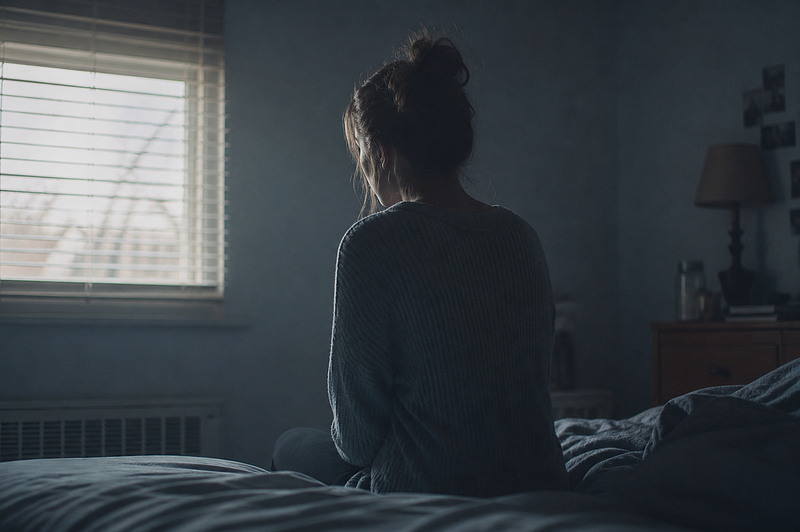
After the storm of that year — the boyfriend, the doctor, the pills that dragged me under — there wasn’t a clean moment where I got better.
No dawn breaking. No swelling music.
Just a slow crawl back into myself, piece by stubborn piece.
People think healing looks like strength. But real healing looks like exhaustion — like staring at the ceiling at three in the morning wondering who you are now, like asking yourself if you’ll ever feel like a whole person again.
I didn’t. Not right away.
My sense of self had been stripped down to bone. Every certainty I had about the world — about trust, safety, love, grown-ups, medicine — had been shaken until nothing made sense anymore. And the fallout showed up in ways I didn’t expect.
I dropped out of school.
Not because I didn’t care. Not because I wasn’t smart. But because I no longer had any confidence in my ability to perform.
That was the strangest loss. I had been a musician. I knew pressure. I had stood in front of audiences and held them — the whole room, all that attention, all that expectation — and felt completely at home in it. Music had been the one place where I was entirely certain of myself. And then that certainty was gone, along with everything else, and suddenly even walking into a classroom felt like wading through half-dry concrete. The girl who could perform for a crowd couldn’t make herself sit in a desk.
I went to work. I studied on my own. I functioned.
But I didn’t belong in my own skin anymore, and school was the first place it showed.
Beneath all that ruin, though, there was a single thread left intact: my grandmother’s strength. It ran through me like a hidden wire. Quiet. Steady. Unbreakable. And when I reached for it, my hands found enough of me to start rebuilding.
Finding My Edges Again

I didn’t rebuild with beauty or grace.
I rebuilt with sarcasm.
It started small — a dry comment here, an eyebrow raise there, a joke said too quietly for anyone but me to hear. It was the first time I felt like I had armor. Humor gave me back the space that fear had taken from me. Sarcasm gave me back my voice.
The sharper I became, the safer I felt.
I wasn’t the broken girl anymore. I was the girl who could make someone choke on their coffee with a single deadpan sentence.
It wasn’t pretty, but it was mine.
And for the first time since everything fell apart, I felt like a person again — not a diagnosis, not a victim, not someone teetering on the edge of disappearing.
Just me. Rough around the edges. Quick with a comeback. Learning how to exist without apologizing for it.
The Slow Return of Color
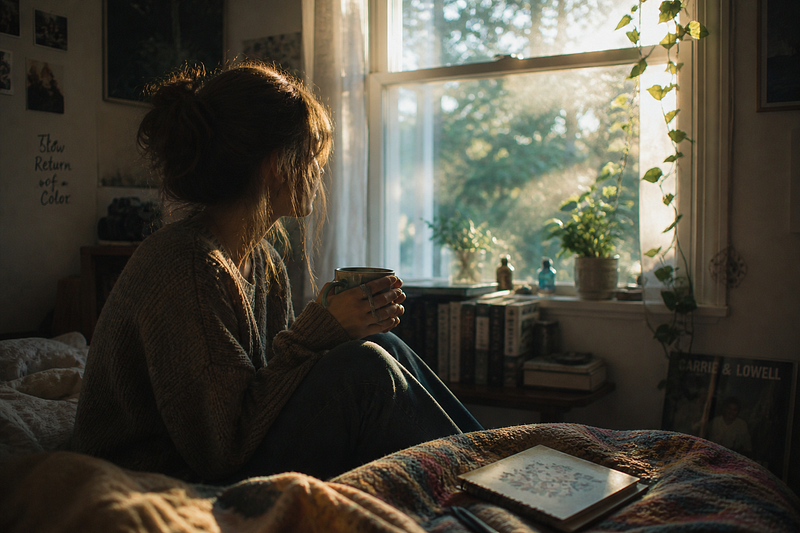
It’s strange how life comes back.
Not all at once, but in little flashes:
The first time I laughed at something dumb on TV.
The first time music sounded like music again.
The first time I got mad in a normal, teenage way.
The first time I looked in the mirror and recognized my own eyes.
Not healed. Just here. And that was enough.
Some days I slipped backward. Some days I stood still. Some days I made a little progress without even noticing.
Healing wasn’t a staircase. It was more like wandering through a forest without a map. But every time I got lost, I thought of my grandma — of her laugh, of the way she comforted me after fussing over a refrigerator door, of her pies cooling for lonely neighbors, of the safety she carried like a second skin.
She had shown me what softness looked like. She had shown me what survival looked like. She had given me the blueprint for rebuilding myself long before I ever needed it.
So I followed that blueprint, one shaky step at a time.
Divinity
(the candy only women with patience ever mastered)
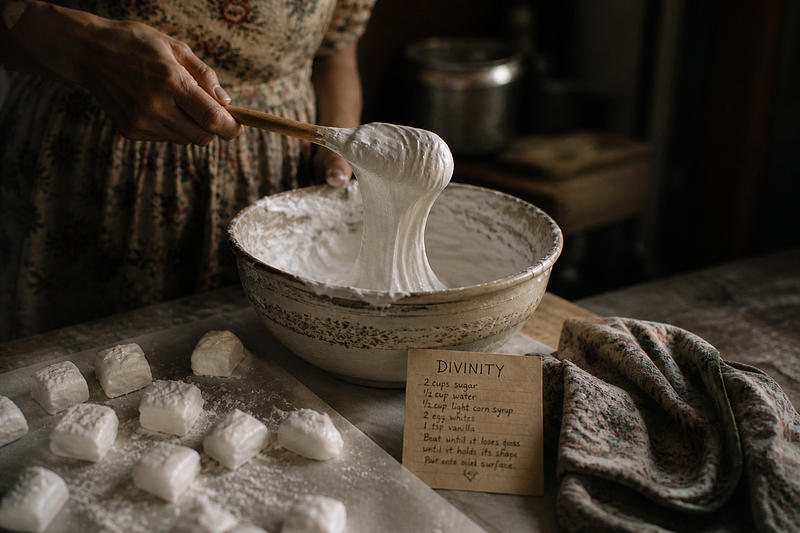
I don’t know Grandma’s exact recipe.
Most people don’t. Divinity isn’t written down so much as passed down, and only to the ones who watch close, listen quiet, and don’t flinch when sugar turns molten.
What I do remember is this: divinity was temperamental.
If the weather was wrong, it failed. If someone slammed a door, it fell. If you didn’t beat the mixture long enough, it stayed syrup. If you beat it too long, it turned to chalk.
But when Grandma made it, it always came out right — pale, cloud-soft, sweet enough to hush the whole world for a moment.
She had the patience for it. The rhythm. The knowing. The gentleness to bring something fragile to its finished form.
And later, when I was rebuilding myself, I realized something: I was learning to do the same. To find the right timing. To stand still when the air felt wrong. To try again when things fell flat. To hold my own shape even when life got too hot.
Divinity isn’t candy.
It’s a lesson: some things come together only with patience. Some sweetness requires steady hands. And some parts of you can only form when you refuse to give up on yourself.
What the Rebuilding Made
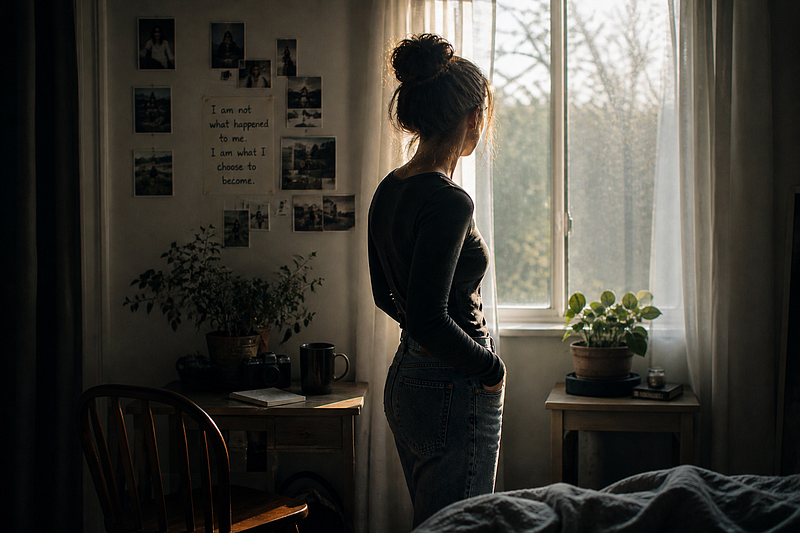
By the time I found my footing again, I wasn’t the same girl I had been before everything went wrong.
I was funnier. Sharper. A little dangerous in the way people become after they’ve survived something they don’t talk about.
But I was also something I hadn’t expected: more deliberate.
The girl who had performed for audiences without thinking twice now understood something about presence that she hadn’t before. That showing up — really showing up, in a room, in a relationship, in your own life — is not a given. It’s a choice you make again every day. Some days it costs more than others. Some days the concrete is still there, still half-dry, still pulling at your feet.
You go anyway.
Humor helped me go. It still does. Not because laughter makes things less serious, but because it makes them survivable. The girl who can make someone choke on their coffee in the middle of a hard moment is the girl who has decided, on some level, to stay in the room.
I rebuilt myself from the inside out — tenderness borrowed from my grandmother, humor carved out of the wreckage, and a slow, stubborn insistence on becoming someone I could recognize again.
I didn’t know yet what that person would do with her life. What she would build. Who she would love. How many times she would have to rebuild before she stopped thinking of it as starting over and started thinking of it as just — how things go.
But she was here.
And she was ready for what came next.
Melanie Brown is the founder of Bluedobie Developing, a rural Kentucky-based SaaS and web development company. She writes the Bluedobie Dialogues series about systems thinking, sustainable business architecture, and what durability actually looks like in practice.