
Some People Don’t Chase Growth. They Chase Stability.
Why steadiness isn’t settling for less — and what it actually takes to build for it.

Why steadiness isn’t settling for less — and what it actually takes to build for it.
There are seasons in life where collapse feels close enough to taste. Not the kind you read about in business case studies or hear described in motivational speeches that make risk sound romantic. The real kind — the kind that exposes whether what you’ve built can actually hold.
In those seasons, strategies built on constant acceleration don’t just slow down. They magnify pressure. What felt bold under ideal conditions can become brittle under strain.
You don’t forget those seasons. And more importantly — you don’t design the same way after them.
What Prolonged Instability Does to a Person
Volatility changes you. Not dramatically, not all at once, but in the slow and systematic way that any extended condition reshapes a nervous system. When your environment cannot be counted on — when the ground shifts often enough that you stop assuming it won’t — something fundamental shifts in how you make decisions.
You stop optimizing for the upside. You start engineering against the downside.
This isn’t pessimism. It isn’t fear dressed up as strategy. It’s the entirely rational response of a mind that has processed enough instability to understand what it costs.
People who have never lived close to the edge tend to treat risk as an abstraction — something to be calculated, managed, occasionally embraced for the sake of growth.
People who have lived near the edge treat risk as a tax. Something to be minimized wherever possible, because they already know what it feels like to pay it.
That distinction changes everything about how a person builds.
Why Volatility Becomes Intolerable Once You’ve Known It

There’s a particular kind of person who looks at an aggressive growth strategy and feels nothing but unease. Not because they lack ambition. Not because they’re incapable of vision. But because they’ve learned — in the way that only experience teaches — that speed without structure is how things break.
They’ve watched systems fail under pressure. They’ve seen what happens when a business, a plan, or a life is built entirely around peak conditions with no margin for the inevitable disruption. And they carry that knowledge the way anyone carries knowledge that came at a cost: carefully, and with a clear sense of what it’s worth.
For these people, volatility isn’t a challenge to rise to. It’s a pattern to avoid. Not out of timidity, but out of a very specific kind of intelligence — the kind that develops when you’ve had to manage consequences that other people only theorize about.
Why Consistency Becomes More Attractive Than Acceleration
The culture around entrepreneurship tends to celebrate acceleration. Move fast. Scale aggressively. Optimize for the best-case scenario and trust that you’ll figure out the rest when you get there.
That framework has never made sense to everyone. And it makes the least sense to the people who understand, at a visceral level, what the worst-case scenario actually looks like.
When you’ve lived through seasons where stability wasn’t guaranteed, your definition of success shifts. Quietly, permanently, without announcement.
You stop measuring wins by how fast things grew and start measuring them by how well things held.
You stop treating consistency as the consolation prize for people who couldn’t achieve more, and start recognizing it as the prerequisite for everything else.
Consistency isn’t exciting to talk about. It doesn’t make for compelling content or aspirational narratives. But it’s the condition under which most meaningful work actually gets done — and the people who’ve earned their appreciation for it tend to build very differently than those who haven’t.
Why Steadiness Is Not Boring — It’s Earned
There’s a word that gets used to dismiss this kind of thinking: conservative. As if building for durability is the choice of people who lack the imagination or courage to reach for more. As if steadiness is what you settle for when ambition fails to materialize.
That framing misunderstands where steadiness actually comes from.
For most people who design deliberately for stability, it isn’t a default. It’s a conclusion. The result of having lived through enough disruption to understand what stability is actually worth — not in the abstract, but in the specific, daily, operational reality of trying to build something that lasts, something functional for them.
These aren’t people who haven’t dreamed of more. They’re people who decided that more means nothing if the foundation can’t hold it. They’ve made the quiet, unfashionable, entirely defensible decision that a business — or a life — that functions reliably under difficult conditions is worth more than one that performs spectacularly under ideal ones.
I’ve lived through seasons where collapse was not theoretical. It was near. That changes how you design. Not because it broke something in you, but because it clarified something for you. It made the question you were actually trying to answer unmistakably clear.
Not: how fast can this grow?
But: how long can this hold?
The Architecture of Stability
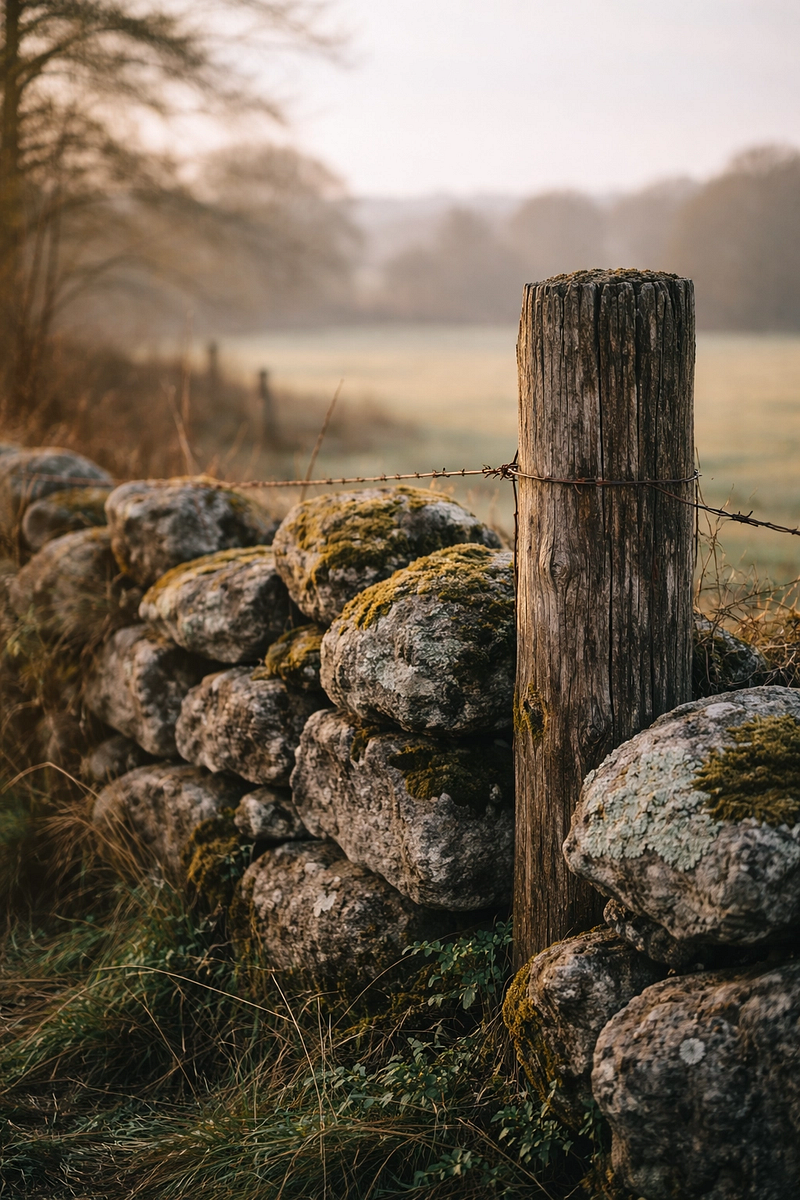
Building for steadiness requires a different set of questions than building for growth. It asks: what happens when conditions aren’t ideal? What happens when energy is low, bandwidth is limited, and the margin for error has narrowed? What happens when the season turns difficult — not if, but when?
The answers to those questions produce different designs. Slower timelines. More redundancy. Less dependence on peak performance. Processes that function at reduced capacity without collapsing. Systems that don’t require everything from you on the days when everything isn’t available.
This kind of architecture doesn’t photograph well. It doesn’t make for a compelling before-and-after. It’s not the kind of thing you can point to and say: look how far we’ve come.
It’s quieter than that. It shows up in the absence of crisis. In the ability to continue working through difficult seasons without the work itself becoming one. In the compounding value of a system that simply doesn’t break.
Some experiences permanently alter how you define success. They move the target from impressive to durable. From fast to reliable. From peak performance to sustained function.
That’s not settling.
That’s the lesson.
And for the people who’ve learned it — the ones who’ve sat close enough to instability to understand what it costs — steadiness isn’t the consolation prize.
It’s the whole point.
Melanie Brown
Founder of Bluedobie Developing
Writing at Bluedobie Dialogues about the systems behind meaningful digital work.