
Achieve Peak Flexibility & Autonomy: Transformative Strategies for Freelancers!
Discover how to effectively manage your flexible schedule and maintain autonomy in freelancing for peak productivity and job satisfaction.

Discover how to effectively manage your flexible schedule and maintain autonomy in freelancing for peak productivity and job satisfaction.
Freelancing is synonymous with flexibility and autonomy, attracting many to this career path for the freedom it offers over one’s schedule and work choices. This comprehensive guide explores how freelancers can maximize these benefits while maintaining high productivity and job satisfaction.
The Essence of Flexibility in Freelancing
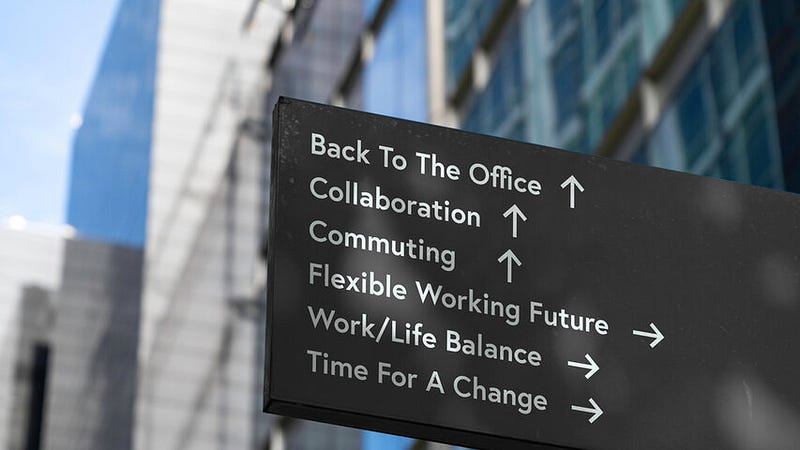
Flexibility is perhaps the most compelling advantage of freelancing. It allows professionals to choose when and where they work, fitting their career around their lifestyle rather than the other way around. This can mean the ability to pick up children from school, attend midday gym sessions, or simply work during hours when one feels most productive, whether that’s early morning or late at night.
Autonomy Over Work

Alongside flexibility, freelancing provides autonomy over the type of work undertaken. Freelancers choose the projects that align with their skills, passions, and career goals, allowing for a more personalized and fulfilling work experience.
However, with this flexibility and autonomy come significant responsibilities. Managing your time effectively and maintaining productivity can be challenging without the external structure provided by traditional employment.
Strategies for Optimal Flexibility and Productivity
To harness the true potential of this flexible working style, freelancers need to adopt certain practices and tools:
Establishing Clear Goals: Setting daily, weekly, or monthly goals can provide direction and a sense of purpose. These goals help in prioritizing tasks and maintaining focus on what’s most important, preventing freelancing from becoming overwhelming.
Creating a Custom Routine: While traditional 9–5 hours don’t bind freelancers, creating a personalized routine can significantly enhance productivity. Identifying one’s peak productivity times and structuring the workday around these periods can lead to more efficient and effective work.
Leveraging Time-Management Tools: Digital tools such as Google Calendar, Trello, or Asana can be invaluable in organizing tasks and deadlines. These tools provide visual overviews of what needs to be done and by when, helping freelancers stay on track.
I personally use Zoho One, which is a whole suite of tools that allow me to stay on track, being a CRM, allowing me to invoice my customers, truly an all in one. If you would like to try out Zoho One, click here: https://go.zoho.com/93e.
Designating a Professional Workspace: Having a dedicated workspace, even if it’s a small desk in a quiet corner, can mentally prepare one for work and minimize distractions. This space should be conducive to focus and ideally separate from common household distractions.
Practicing Self-Discipline: Without the accountability of a traditional workplace, freelancers must cultivate self-discipline. This means resisting the urge to procrastinate or get sidetracked by personal tasks during designated work hours.
Taking Regular Breaks: Integrating short, regular breaks into the workday, such as the Pomodoro Technique (working for 25 minutes followed by a 5-minute break), can prevent burnout and maintain high levels of productivity throughout the day.
Achieving Work-Life Balance

While flexibility allows freelancers to integrate work with personal life seamlessly, it’s essential to establish boundaries to prevent work from consuming all aspects of life. Setting specific work hours and communicating these boundaries to clients and family helps in maintaining these limits. Additionally, making time for non-work activities and hobbies is crucial for mental health and overall well-being.
Continuous Adjustment and Improvement

The journey of optimizing flexibility and autonomy in freelancing is ongoing. Regularly reviewing and adjusting one’s schedule and strategies based on what is or isn’t working is key. This might mean tweaking work hours, trying new productivity tools, or even redesigning the workspace to better suit evolving needs.
Conclusion
Flexibility and autonomy are the cornerstones of a successful freelance career, providing both challenges and opportunities. By implementing structured goals, personalized routines, effective tools, and disciplined work ethics, freelancers can maximize their productivity while enjoying the freedom freelancing offers. This not only leads to greater professional success but also enhances personal satisfaction and work-life balance, making freelancing a rewarding career choice.
In the next article, we’ll explore how to develop and manage diverse revenue streams, an essential strategy for financial stability and growth in freelancing. Stay tuned for more in-depth insights on sustaining a lucrative freelance career amidst the challenges and fluctuations of the freelance market.